


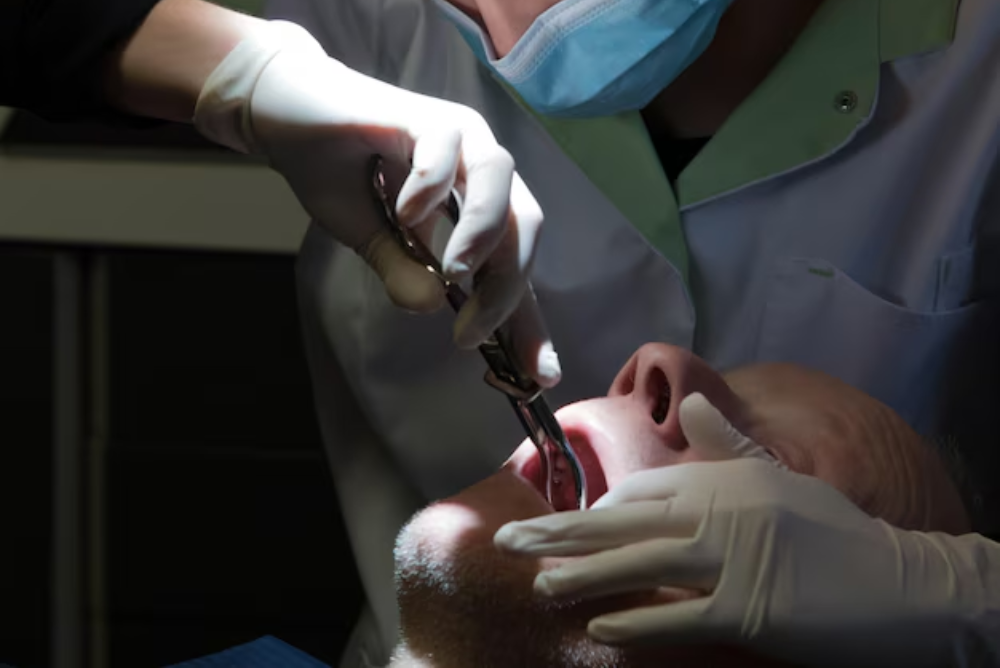
When a tooth is damaged or severely infected, you might wonder whether it should be saved with a root canal or if it is best to get a tooth extraction in Markham. The best scenario is to save a tooth with a root canal, but sometimes extraction is safer and better. Recognizing when extraction of the tooth is a better choice can help you make the right choice for your oral comfort and health.
A trip to the dental clinic in Markham helps your dentist examine the health of your teeth. Dentists take into account the extent of decay, any prior treatments, and their examination of your oral health before recommending extraction or root canal treatment. It ensures that you receive further assistance in preventing treatment while also helping you to maintain a healthy, pain-free smile.
When Tooth Extraction Is a Better Option
A tooth extraction near youmay be the preferred Solution over a root canal in several situations. These include:
- Severe tooth decay: If the decay has reached deep into the tooth root or surrounding bone, saving the tooth might not be possible. Extraction removes the source of pain and infection completely.
- Cracked or broken teeth: Teeth with fractures that extend below the gum line cannot be effectively restored with a root canal or crown. Removing the tooth prevents ongoing discomfort and complications.
- Repeated root canal failures: If previous root canal treatments have not resolved the issue, extraction can prevent further infection and save you from repeated procedures.
- High infection risk: If your immune system is weak or you have long-term health problems, removing a bad tooth can help stop infection from spreading.
- Crowded teeth or braces: Sometimes a tooth needs to be removed to make space for other teeth to line up properly and keep your mouth healthy.
Benefits of Tooth Extraction Over Root Canal
Taking out a tooth has many benefits, especially compared to a tricky root canal:
- Pain stops quickly: When the tooth is removed, the pain goes away.
- Removes infection: Extraction gets rid of bacteria and infection, lowering the chance of problems.
- Fewer dentist visits: Removing a tooth usually only takes one appointment, unlike a root canal.
- Protects nearby teeth: Removing a bad tooth can stop decay or infection from spreading
- Options to replace the tooth: After extraction, you can choose implants, bridges, or partial dentures to fix your smile
What to Expect During Tooth Extraction
The dentist near you will be there at every step to make sure tooth removal is safe and comfortable.
- Checkup and X-rays: The dentist inspects your teeth and jaw and creates a plan. He won’t perform any invasive procedure without your consent.
- Numbing and sedation: The area will be numbed. Sedation can be offered to help with relaxation.
- Tooth extraction: It is done in a manner to have the least possible effect on the gums and bone.
- Aftercare: You will be given instructions on how to manage pain, keep the area clean, and what to eat while healing.
- Healing and replacement: Healing usually takes a few weeks, and your dentist can help you decide how to replace the missing tooth if needed.
How to Take Care After Extraction
Taking care after a tooth removal helps you heal faster and avoid problems:
- Bite gently on the gauze to stop bleeding and protect the clot.
- Eat soft foods for a few days and avoid hot or hard foods.
- Keep the area clean by rinsing gently with salt water or a solution your dentist recommends
- Take medicines or antibiotics exactly as your dentist tells you.
- Go to all follow-up visits so your dentist at the dental clinic near you
- to check your healing and fix any issues.
Comparing Tooth Extraction vs. Root Canal
| Factor | Tooth Extraction | Root Canal |
| Procedure Time | Usually faster; often done in one visit | Multiple visits may be needed |
| Pain Relief | Immediate | Gradually, as the infection resolves |
| Infection Risk | Removed entirely | Slight risk of recurrence |
| Cost | Varies; often lower initially | Can be higher due to multiple appointments |
| Long-Term Solution | Requires replacement for the function | Preserves natural tooth but may fail in severe cases |
How Tooth Extraction Can Protect Your Overall Oral Health
Tooth extractions aren’t just done to relieve pain and pressure. Certainly able.
- Reducing stress on adjacent teeth so they do not become displaced or overlap.
- Lessens the risk of gum disease and bone infection.
- Make sure the jaw function and alignment are correct.
- Improve the efficacy of braces or implants in future.
Choosing a family dentist near you ensures that you will be a beneficiary of advice tailored to your present needs and future health.
Find Out Which Treatment Is Right for You!
Begin your journey to a healthier, pain-free smile today. Please book an appointment with the Dentistry in Markham and let our experts guide you in choosing between tooth extraction and a root canal. Remember, it’s important to make a quick decision in the case of dental problems.
Don’t wait; your smile deserves to be treated professionally.
FAQs
- Is getting a tooth extracted more painful than a root canal?
You may feel hardly any pain during the extraction when treated with modern techniques or anaesthetics. Any soreness that occurs after your procedure can be treated with a pain medication.
- What is the recovery time needed after a tooth removal?
Almost everything heals in between one and two weeks. While soft tissue heals quickly, bone usually takes a few months to heal completely. Observe post-care instructions to hasten recovery.
- Can I eat normally after extraction?
You should stick to soft foods like yogurt, soups, and mashed vegetables for the first few days. Avoid chewing on the extraction site until it is fully healed.
- Are dental implants necessary after extraction?
While not mandatory, replacing the missing tooth with a dental implant or bridge helps maintain jawbone structure, prevents the shifting of surrounding teeth, and restores normal chewing function.