


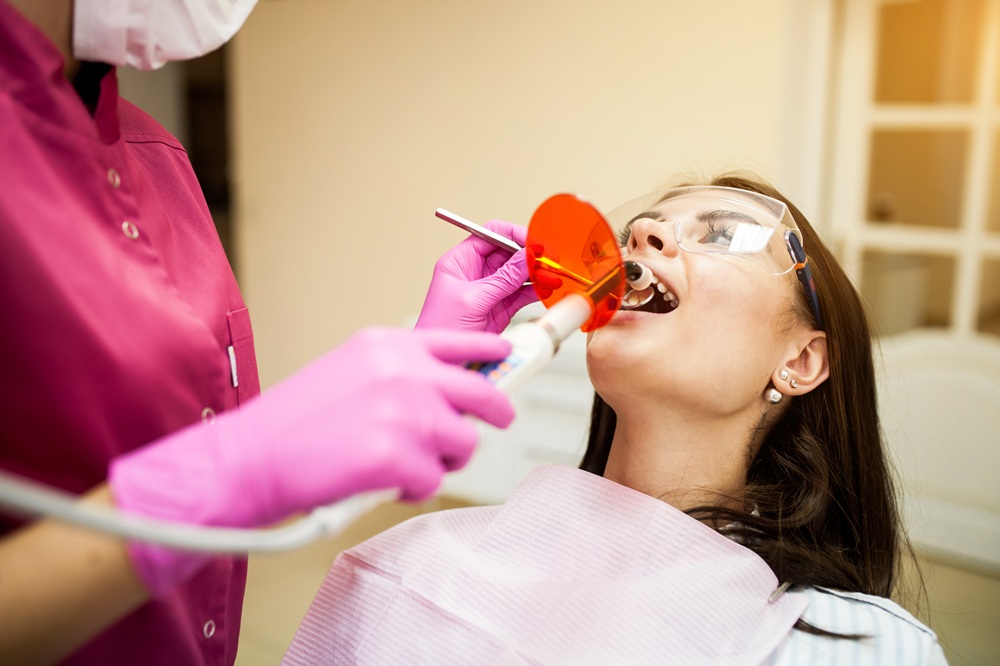
Getting a dental filling can repair a tooth affected by decay or minor damage. Knowing what to do after treatment can help protect the filling and keep the tooth comfortable. A dental clinic near you can also guide you if questions come up after treatment. Mild sensitivity may happen for a short time, especially when eating or drinking something hot, cold, sweet, or sour. Knowing what foods to choose, what habits to avoid, and when to contact a dentist can make the days after a filling easier to manage.
When Can You Eat After a Dental Filling?
The timing depends on the type of filling and whether the mouth is still numb. If local anaesthetic was used, it is usually safer to wait until the numb feeling has worn off before eating. This helps reduce the chance of accidentally biting the cheek, tongue, or lip.
For dental fillings in Markham, the type of material used can also affect when normal eating can begin. Once the numbness is gone and the filling has set as advised, eating can usually return to normal.
What Foods Are Best After a Filling?
Soft foods may be easier to eat if your tooth feels sensitive after treatment. Choose foods that are easy to chew and avoid foods or drinks that are very hot or cold if they make the tooth hurt.
Suitable choices may include:
- Soft eggs
- Yoghurt
- Mashed vegetables
- Oatmeal
- Soft pasta
- Smooth soups that are not too hot
Hard, sticky, or very chewy foods may place extra pressure on a newly filled tooth. When dental fillings are new, taking smaller bites and chewing gently can also help reduce pressure on the treated area.
Is Tooth Sensitivity Normal After a Filling?
Some sensitivity after a filling can occur. The tooth may react to cold, heat, sweet foods, or pressure for a short period. This does not always mean there is a problem with the filling.
Sensitivity should gradually improve rather than become stronger. A dental clinic in Markham can check the tooth if discomfort continues, becomes severe, or makes eating difficult.
How to Care for a Filled Tooth
Good daily oral care remains important after a filling. Brushing twice a day with fluoride toothpaste and cleaning between the teeth can help reduce the chance of further decay.
A few simple habits can also protect the filling:
- Avoid biting pens, nails, ice, or other hard objects.
- Follow any eating instructions given after treatment.
- Clean around the filled tooth gently.
- Attend regular dental checkups.
- Contact a dentist if the filling feels loose, sharp, or uncomfortable.
These habits can help keep dental fillings in Markham in good condition and support the health of the surrounding tooth.
What If the Filling Feels High?
Sometimes, a newly filled tooth may feel different when biting. The filling may feel slightly higher than the nearby teeth, making the bite feel uneven or causing discomfort when chewing.
If the feeling does not settle, a dental assessment may be needed. A dentist can check the bite and determine whether a small adjustment is appropriate. A dental clinic near you can also assess ongoing discomfort and check whether another issue may be causing the problem.
When Should a Filled Tooth Be Checked?
Some mild sensitivity can be expected, but certain symptoms should not be ignored. Contact a dental professional if there is:
- Severe or worsening tooth pain
- Sensitivity that does not improve
- Pain when biting that continues
- A loose or broken filling
- Swelling around the tooth
- A sharp edge that keeps irritating the tongue or cheek
A dental clinic in Markham can examine the tooth and determine whether the filling needs an adjustment, repair, or further treatment.
Get the Right Care After a Dental Filling!
Proper care after a filling can help protect the treated tooth and make recovery more comfortable. Choosing suitable foods, keeping up with daily cleaning, and paying attention to ongoing sensitivity can help identify concerns early.
Dentistry in Markham can provide guidance for patients with new or existing fillings and assess concerns such as sensitivity, bite changes, or damaged restorations. Book an appointment today to discuss your dental filling and get appropriate care for your smile.
FAQs
Can I brush my teeth after a filling?
Yes. You can usually brush your teeth as usual after a filling. If your dentist gives you different advice, follow their instructions. Use a soft toothbrush and gently brush around the filled tooth.
Why does my tooth hurt when I bite after a filling?
A tooth may feel uncomfortable when biting if the filling affects the way the teeth meet. If the discomfort continues, a dental check can help find the cause.
Can I drink coffee after getting a filling?
Coffee can usually be consumed once the numbness has worn off. If the tooth is sensitive, a very hot drink may cause temporary discomfort.
How long can filling sensitivity last?
Sensitivity often settles with time, but the length can vary. If it stays the same, gets worse, or becomes painful, the tooth should be checked.